
Don’t get me wrong — I absolutely love a good plate of steak. But I’ve noticed that when people order steak, they’re not just thinking about the meat itself. They’re thinking about the whole plate: the sides, the potatoes, the salads, all of it.
The thing is, most steak side recipes you’ll find online are either way too complicated (why am I making a full recipe just to accompany a steak?) or so uninteresting that people skip them entirely. So instead of listing every ridiculous mashed potatoes variation you’ve ever seen, here’s what I actually use.
I’ve been eating steak for a long time now, and I’ve built up my own go-to rotation based on what I actually like, what I don’t, and what’s easy to make. No complicated techniques, no 25-ingredient sauce. Just sides that taste great next to a steak and are simple enough to pull off even on busy nights.
The general approach: pick your main (we’ll talk about which steak works best for which situation) and then build around it. I group the options below into four categories: Warm and Creamy Sides, Steak Side Salads, Quick Vegetables, and Potato Based Sides.
If you’re looking for the quick version, here’s the rule I use: don’t stack two heavy sides on the same plate. That’s literally the only mistake people make. The reason it works is simple: when you eat a rich, fatty steak, your stomach is already doing a lot of heavy lifting. Adding a pile of scalloped potatoes or a slab of buttery fries on top turns what should be a satisfying dinner into a food coma. One heavy side plus something light keeps the plate balanced.
Warm and Creamy Steak Sides
This is where most of the real steak dishes I’m actually obsessed with live. Creamy sides paired with green and fresh do something special — they cut the richness of the steak without competing with it.
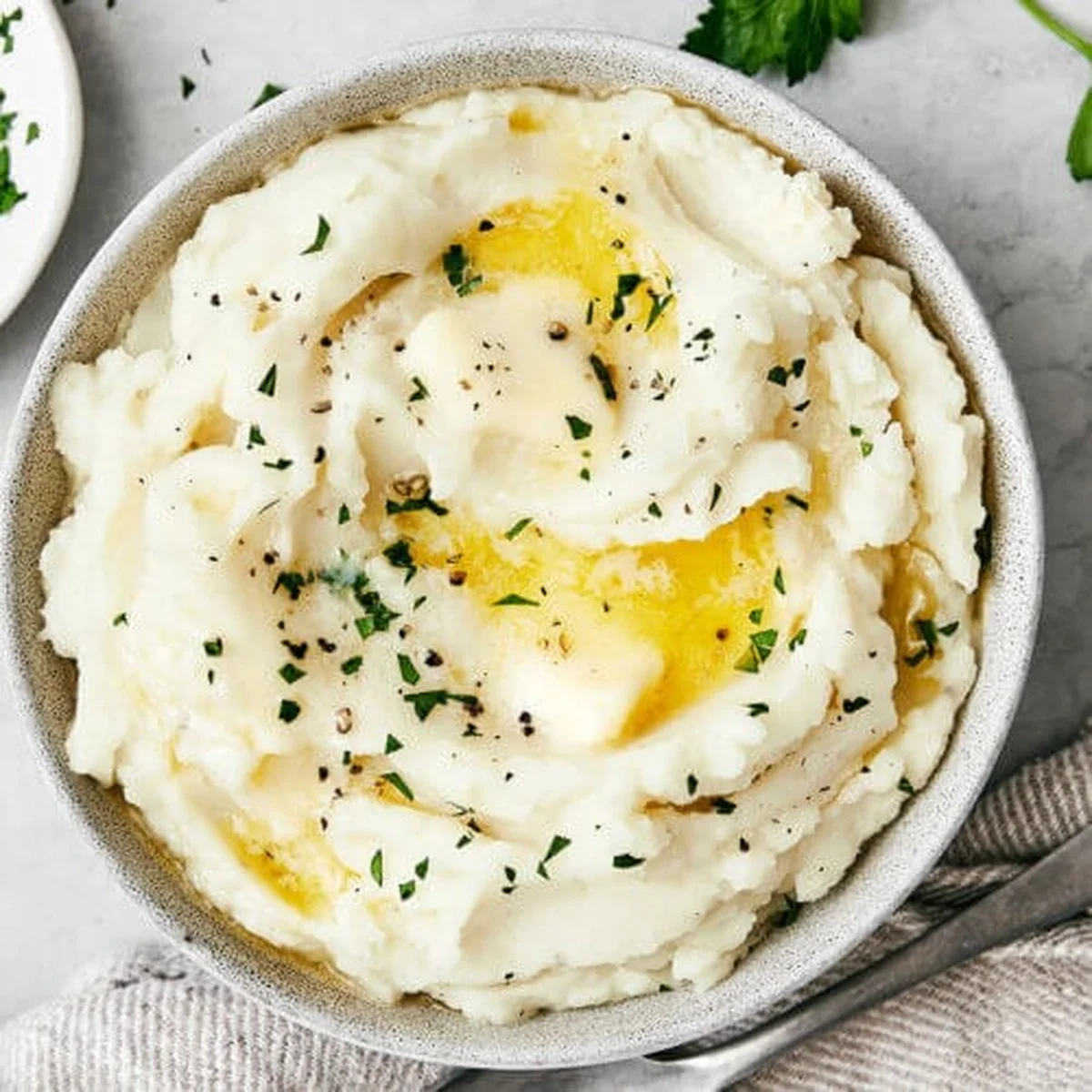
Classic Mashed Potatoes — this is the one I reach for most often. Buttery, soft, and exactly what a steak night calls for. If I’m planning a grilled ribeye or a pan-seared strip, mashed potatoes are the first side I make. It takes about 20 minutes start to finish and takes care on its own.
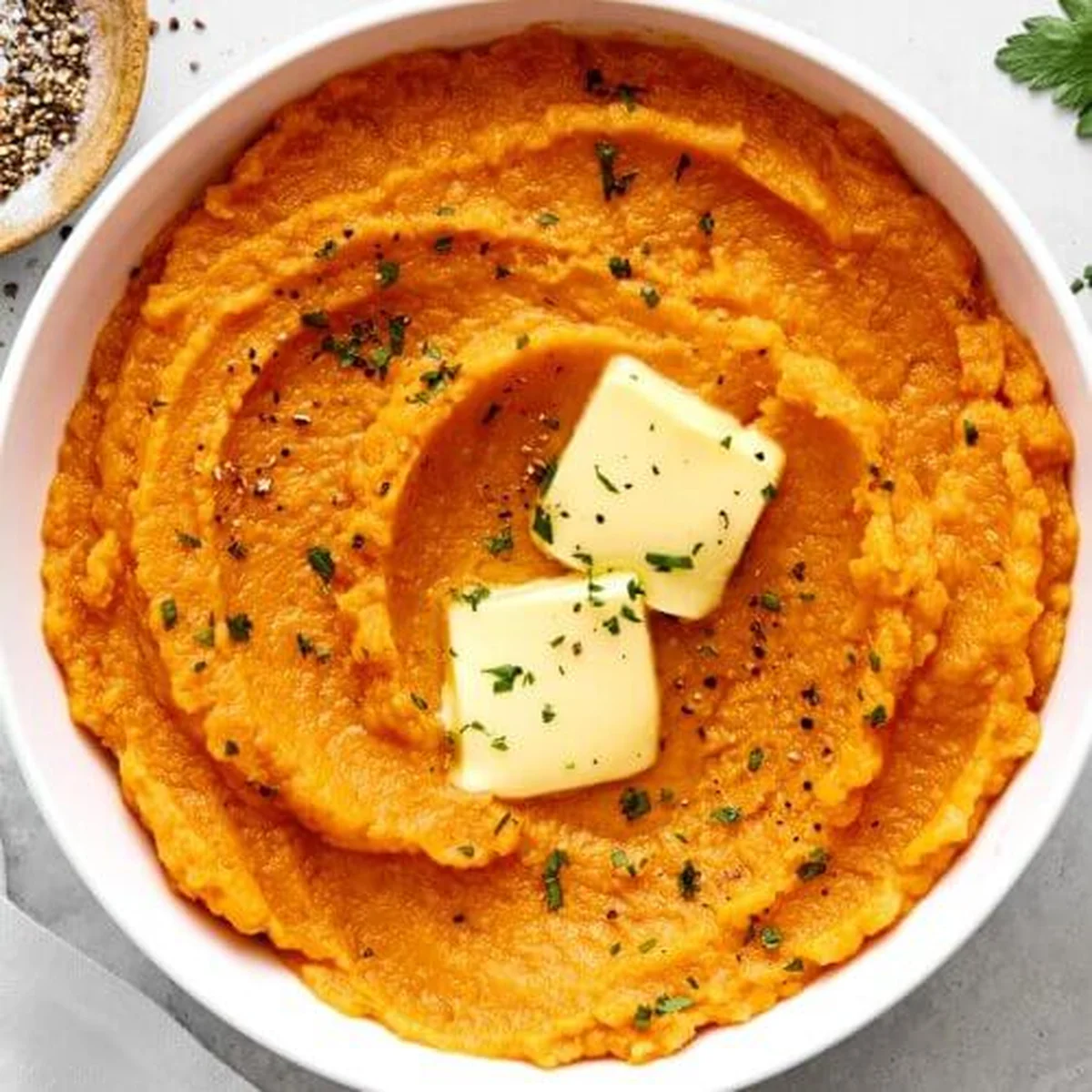
Mashed Sweet Potatoes — I’ll trade in for this one when the main is a little lighter. It’s creamier and naturally sweeter, which works really well with a leaner roast or a strip steak rather than a fatty ribeye. No need for salt or herbs just because it’s “less rich” — it doesn’t need them.
Perfect Creamed Corn — this is the one I’m a little embarrassed about because it is so obviously good. I don’t usually do much sweet corn unless it’s actually in season, but when it lands on the table next to a grilled ribeye, it disappears before the steak does. Make a big batch under a cold oven and it holds for hours — no one’s ever asked for a second serving because there wasn’t one left.
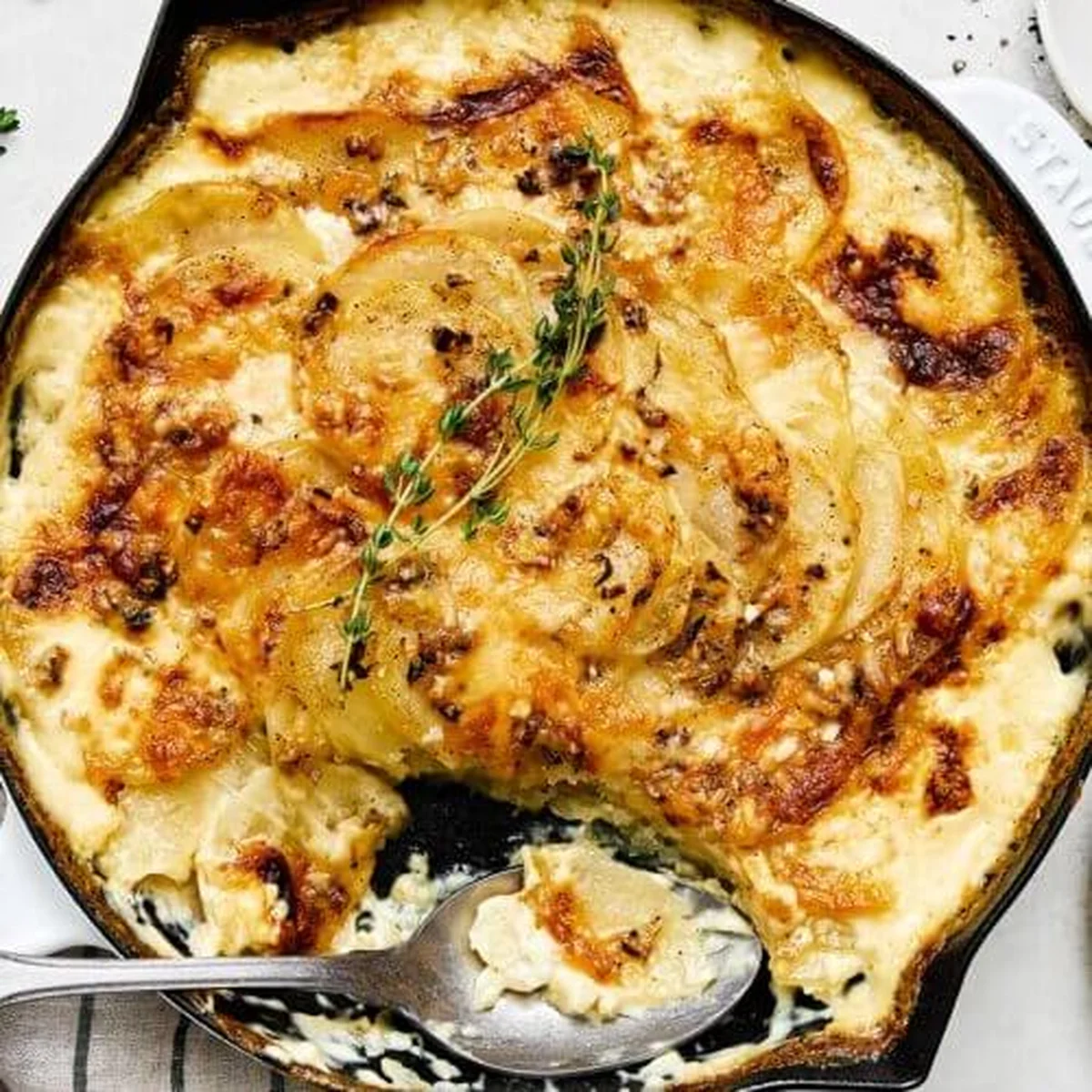
Scalloped Potatoes — this is the one I’m the proudest of. It takes the longest (I’d say 45–60 minutes start to finish, including searing and baking), but when I’m comfortable and there’s no deadline, it’s the one I bring to dinner parties. The texture is somewhere between a casserole and a proper skillet dish. Not every weeknight, but when you have time, you’ll know what to reach for.
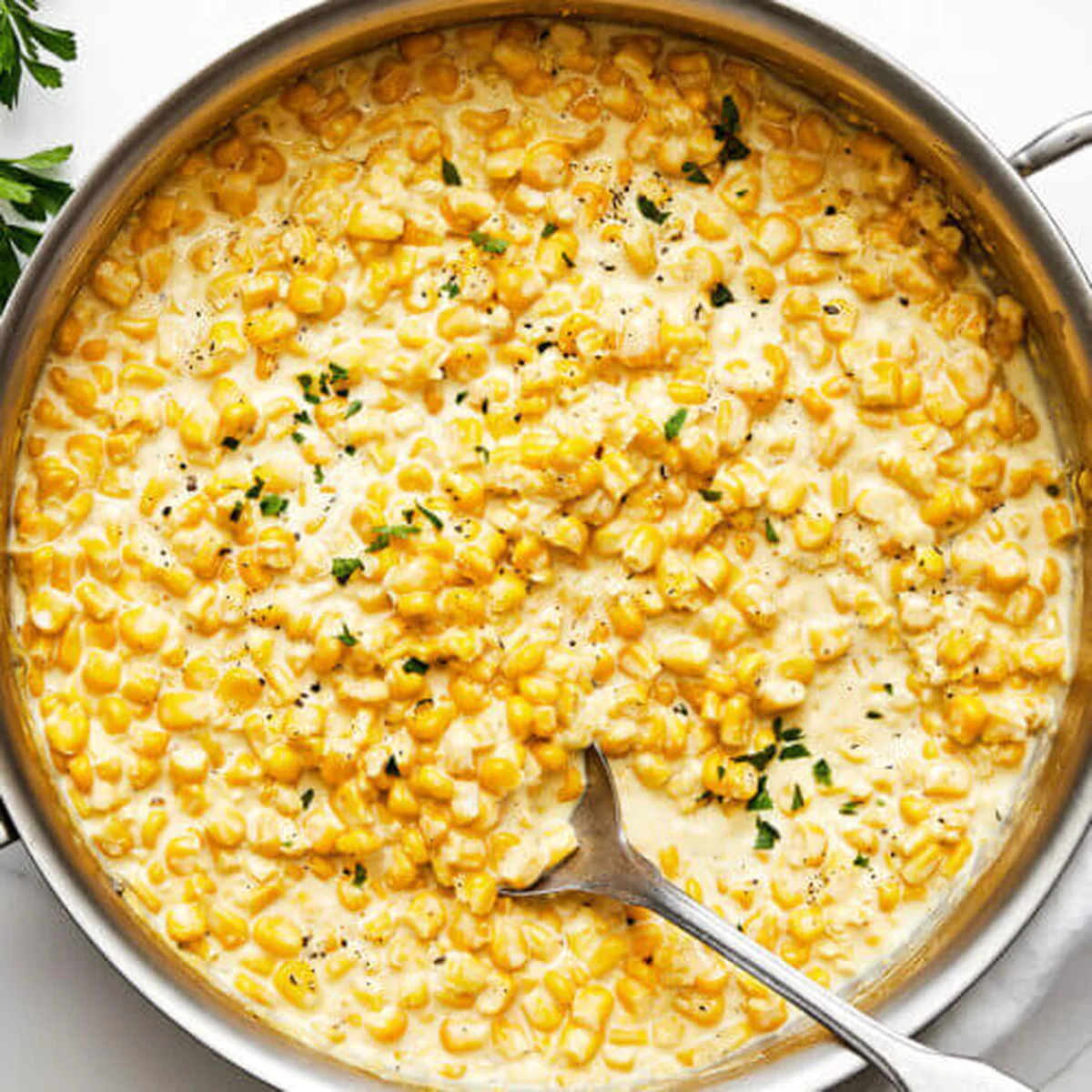
Creamed Corn (Or Seasonal Equivalent) — I’ve listed this under warm sides, but I do grab a seasonal stand-in when corn’s not at its peak. Some people are confused about why a creamed corn shows up twice — once here once at the top — and the answer is simple: it’s the one I genuinely can’t stop making. No recipe is sacred. The list is for me to remember which ones I want to reach for without thinking too hard.
Steak Side Salads
This is the side that saves a plate. You need something fresh to balance the richness, and the best salads I’ve tried for this job have a few things in common: they hold up, they don’t get soggy in under 30 minutes, and they have enough acid that they don’t get lost behind the main course.
Simple Kale Salad — this is the one I reach for when I want something heartier than a basic green salad but without making a separate workout out of it. It holds up through a full dinner, which is exactly what you want next to a steak. Oil, dressings, a pinch of garlic — that’s it. The kale doesn’t wilt the way lettuce does, so if you’re plating early, you’re fine.
Easy Cucumber Salad — the one I turn to on a hot summer evening. Light, crisp, and very easy to pull together. Squeeze of lemon or a splash of vinegar, nothing too complicated. The whole point is that it should be cold enough to feel like a palate reset between bites of something richer.
Best Creamy Coleslaw — old-school, creamy coleslaw. I’m not a massive coleslaw person by default, but paired with a steak, the crunch and the tang carry through. It’s the side that makes a simple steak dinner feel like a restaurant plate without adding two more pans to the sink.
Quick Vegetables
This category is the one I use most often on a strictly short-weeknight. No 20-minute prep — these are the kind of things you can get done in directly on top of a preheated pan, basically. You’ll need a knife, oil, salt, and maybe a squeeze of lemon. That’s the whole toolset.
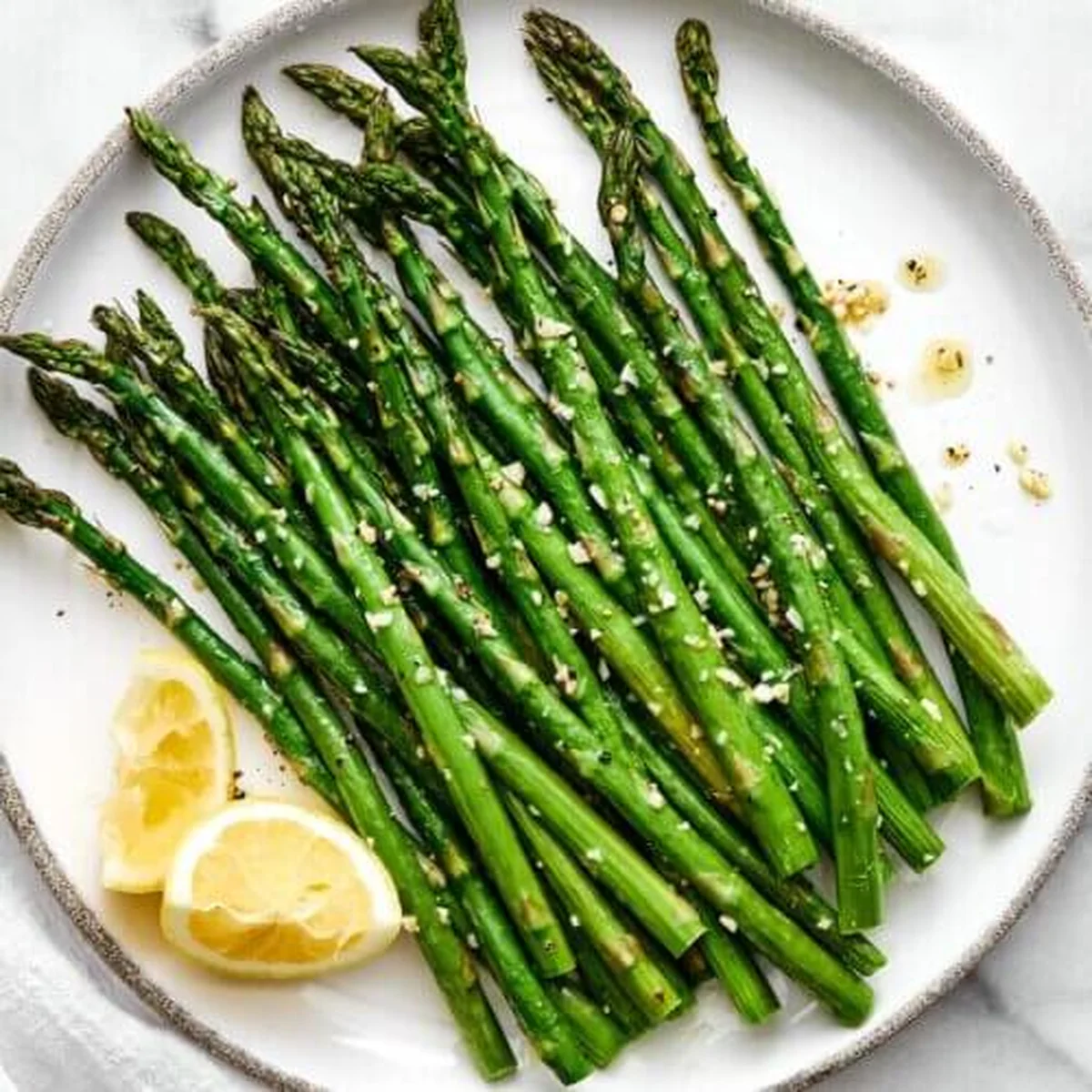
Roasted Asparagus — spring staple, obviously. Peel the Ends a touch, toss in olive oil, throw in the oven while the steak sears. 15 minutes and it’s done. Squeeze of lemon right before plating. I don’t add a sauce. I’ve tried a few and none of them beat the simplicity.
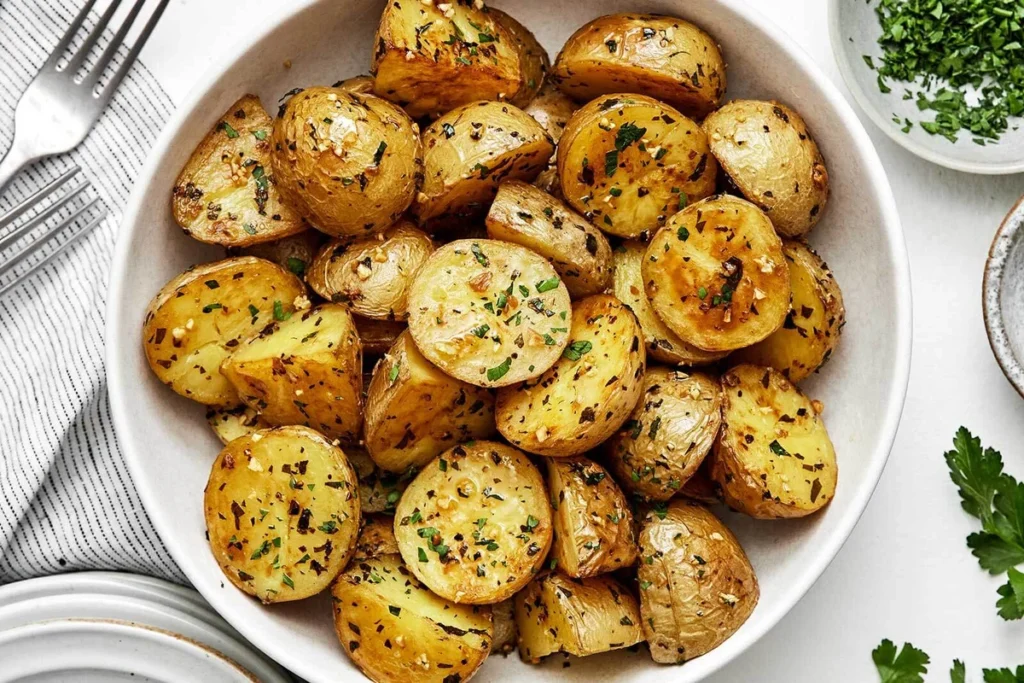
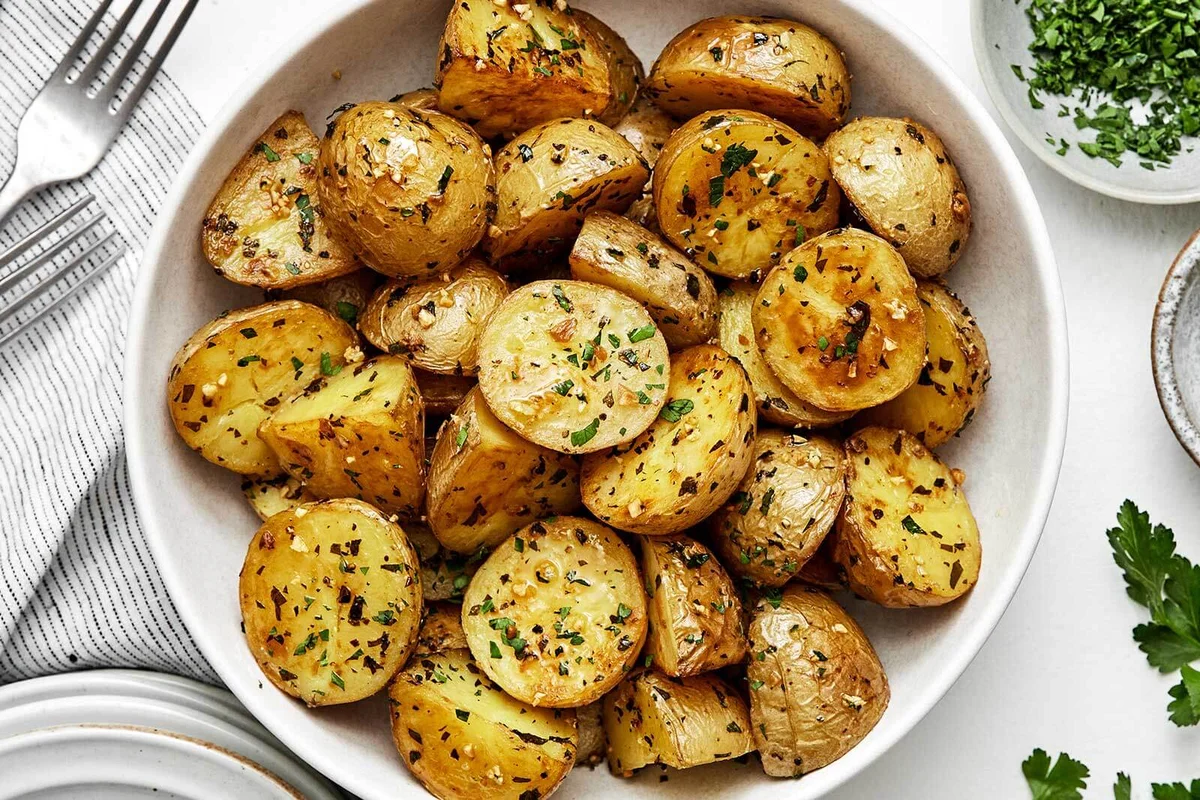
Garlic Herb Roasted Potatoes — crispy outside, soft inside, throws that garlicky sizzle that wakes up the whole kitchen. This is the one I use when I have under 20 minutes and want something that feels like effort without actually being effort. It also makes the base for a bigger meal if it turns out better than planned.
Roasted Broccoli (Garlic & Parmesan) — the crispy-flopping broccoli version. I’ll do this on a Wednesday night when I’m not going to spend 45 minutes on the slice pot thing. The key is not to crowd the pan; crowded broccoli steams and you end up with mush. High heat, space, a small amount of time — that’s the whole secret.
Roasted Brussels Sprouts — I don’t make these every week. They’re not my favourite, but I’ve made a version with balsamic and something that works well enough to send them out. When sprouts are actually cheap and in season, I’ll make a simple version with a squeeze of honey and sea salt. It’s the kind of thing you’ll make once, not every time, but it works if you’re running out of ideas.
Green Beans with Shallots and Lemon — this is the one I use when I want something that’s genuinely light and genuinely fast. A handful of shallots, a splash of lemon, a quick sauté. No truffle oil on the step — you don’t need truffle oil for this, just a little garlic and a little acid. It’s the biggest compliment I’ve gotten from guests on a dinner plate, which is more than I can say about most things.
Sautéed Mushrooms — rich, buttery, and I’ll serve this alongside a ribeye without a second thought. It’s the one I’d bring to a dinner party if I was running out of time and needed something that looked like I’d made an effort. I don’t overcomplicate it. Butter, garlic, thyme, a few minutes on the heat.
Simple Roasted Mushrooms (different from sautéed, much — this is the oven version. Less butter, more of that garlic-y roasted flavour.) I use this when I want more of a hands-off approach. Slightly different in texture — more of a deep savour than a sear. Turn the oven on while the steak is resting; you’ll have it plated in under the time it takes to grill a strip steak.
Balsamic Roasted Mushrooms — when I actually have time, I’ll swap in balsamic and a touch of honey. The sweetness cuts through the fat of the steak and it’s the kind of pairing you feel like you should have thought of yourself. I’m not a purist about this — I’ll use a dry red wine instead of balsamic sometimes depending on what I had in the fridge. The recipe is in the section above.
Potato Based Sides
I’ve made a whole section for these because I get asked about them specifically so often. If you want a steak dinner that isn’t just steak on a plate, this is where you start. The trick with all of them is the same: don’t overwork the potatoes, and don’t skip the salt.
Grilled Corn on the Cob — summer only, obviously. The cleanest form of but I still cook it with a brush of butter, a sprinkle of salt, and sometimes a little pepper. If you don’t have a grill, the oven works fine. Char isn’t the whole point, just a good season.
Grilled Corn and Zucchini Salad — this one’s a summer special. Grilled corn and zucchini, tossed with jalapeño, cilantro, onion, garlic, and a squeeze of lime. I make this when the kids are home and I need something cold on the table next to a grilled steak. Takes a grill, a knife, and a bowl. That’s it. It’s the kind of thing that makes a steamed corn on the cob look ordinary and that’s fine.
Roasted Green Beans Almondine — the almost fancy one. Green beans with toasted almonds and roasted garlic. It takes longer than a stir-fry but less than a casserole. I’ll do this one for a dinner that’s a stretch but not a special occasion. If you’re making a ribeye, pair this with a simple potato and a side salad and you’ve got a full plate without doubling up on weights.
A Note on Building the Actual Plate
All the way through, the thing I keep coming back to is this: the side is only good if the plate works together. So here’s how I actually choose, in order:
- Pick your steak. This matters more than most people think — a fatty ribeye needs different balancing than a lean strip. You want something lighter and brighter if the meat is already doing heavy lifting.
- Add one warm or creamy side from the first section. This is the comfort component. It gives the meal something solid without going overboard.
- Add one salad. This is the reset button. No steak plate should go out without something acidic and fresh on board.
- If you have time, add one vegetable from the quick section. This is the thing that makes the plate feel like it was built on purpose rather than assembled out of whatever was in the fridge.
That’s it. That’s the whole system. If you try two heavy sides, you’ll regret it. If you skip the salad, the plate will feel flat. If you follow the above, you’ll have a plate that actually works — dinner-perfect, no leftover guilt, no food coma at 9pm.
Trade-It Tip
No mushrooms in the house? Roasted baby potatoes work almost as well in the same pan. Same crunch, same garlic situation, barely different time. I’ve done it a handful of times and no one in the house has ever noticed. Not a lie, just been known to happen more than once.
If you try any of these and want to tell me I was wrong about something, or you made a version better than I did, this is the comment box I was using to keep track of that kind of thing. I read everything.
If it doesn’t fit a Tuesday night, it doesn’t get published.